Undergrowth Removal in Atlanta, GA
Undergrowth removal services focus on clearing dense, overgrown vegetation such as shrubs, brush, and small trees that can obstruct views, hinder property maintenance, or pose fire hazards. This type of project typically involves removing unwanted plants and clearing the area to improve safety, accessibility, and aesthetic appeal. Property owners often seek undergrowth removal when preparing a yard for landscaping, reducing fire risk in dry seasons, or reclaiming space that has become difficult to manage due to unchecked growth.
Before requesting undergrowth removal, property owners should consider the extent of the overgrowth, the types of plants involved, and the desired outcome for the area. It’s helpful to understand whether the removal will include stump grinding or disposal of debris, as well as any restrictions or guidelines related to local regulations. Clarifying these details can ensure the project meets expectations and addresses specific property needs effectively.
Many property owners in Atlanta, GA look into Undergrowth Removal for repairs, replacements, upgrades, and appearance-related improvements.
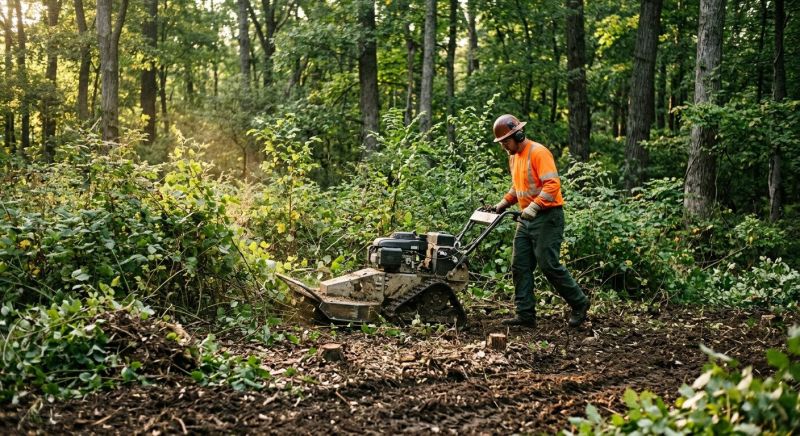
Clearing Overgrown Areas
Removing dense undergrowth helps improve visibility and accessibility around your property.
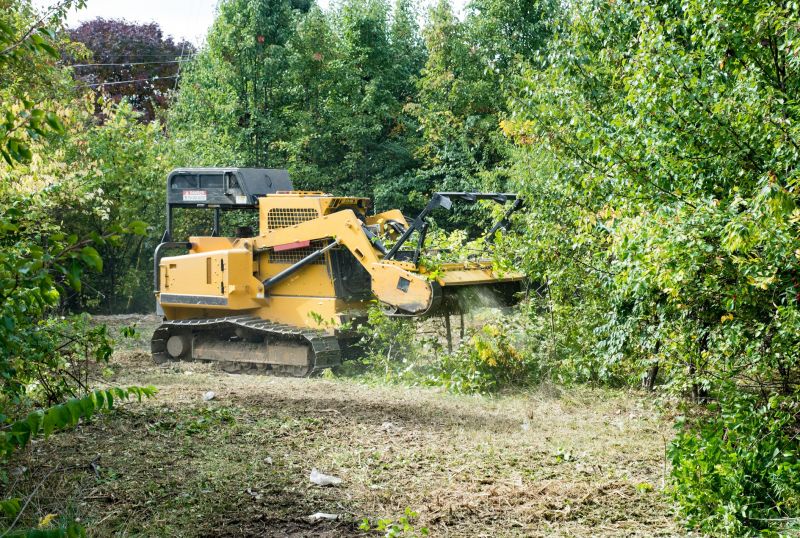
Preventing Pest Habitats
Proper undergrowth removal reduces hiding spots for pests and rodents near homes in atlanta.
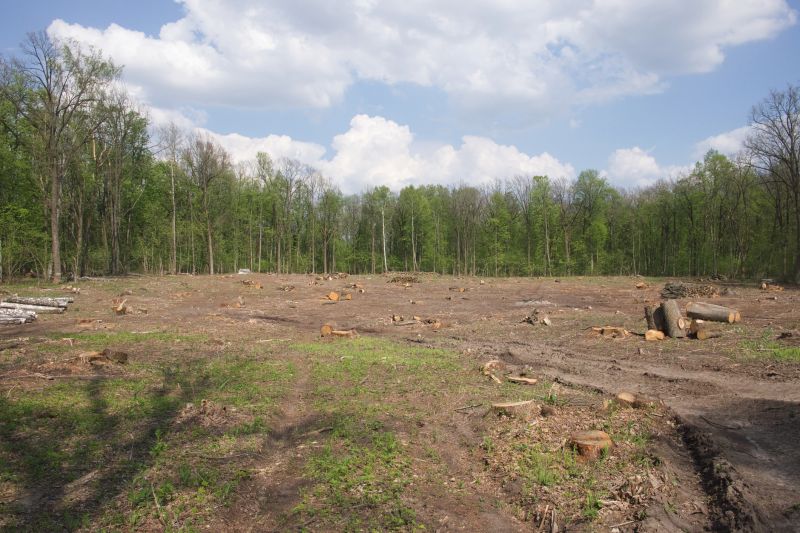
Maintaining Landscape Health
Controlling undergrowth supports healthy growth of desirable plants and keeps your yard tidy.
Undergrowth Removal in Atlanta, GA
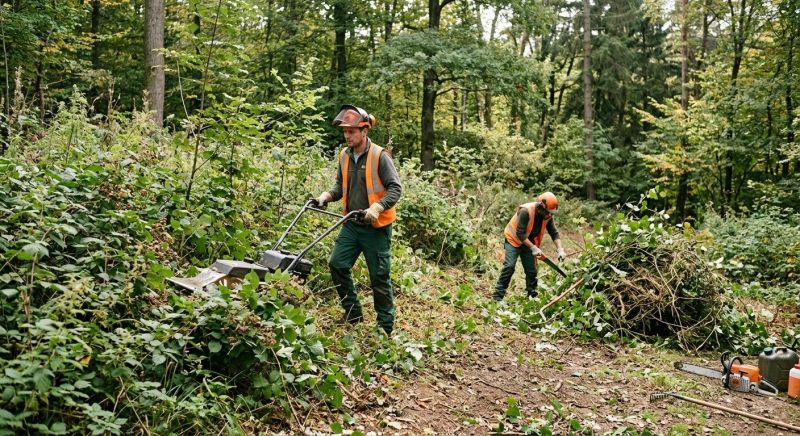
Undergrowth removal services focus on clearing dense, overgrown vegetation such as shrubs, brush, and small trees that can obstruct views, hinder property maintenance, or pose fire hazards. This type of project typically involves removing unwanted plants and clearing the area to improve safety, accessibility, and aesthetic appeal. Property owners often seek undergrowth removal when preparing a yard for landscaping, reducing fire risk in dry seasons, or reclaiming space that has become difficult to manage due to unchecked growth.
Before requesting undergrowth removal, property owners should consider the extent of the overgrowth, the types of plants involved, and the desired outcome for the area. It’s helpful to understand whether the removal will include stump grinding or disposal of debris, as well as any restrictions or guidelines related to local regulations. Clarifying these details can ensure the project meets expectations and addresses specific property needs effectively.
Many property owners in Atlanta, GA look into Undergrowth Removal for repairs, replacements, upgrades, and appearance-related improvements.
Common Undergrowth Removal Jobs
Undergrowth removal - clearing dense vegetation to improve yard accessibility and appearance.
Bush and shrub clearing - removing overgrown bushes to promote healthy growth and curb appeal.
Invasive plant removal - eliminating unwanted species that threaten native plants and landscape health.
Pathway and driveway clearing - removing undergrowth that obstructs walkways and parking areas.
Overgrown lot cleanup - clearing large areas of excessive vegetation for safety and usability.
Fence line clearing - trimming back undergrowth along property boundaries to maintain security and aesthetics.
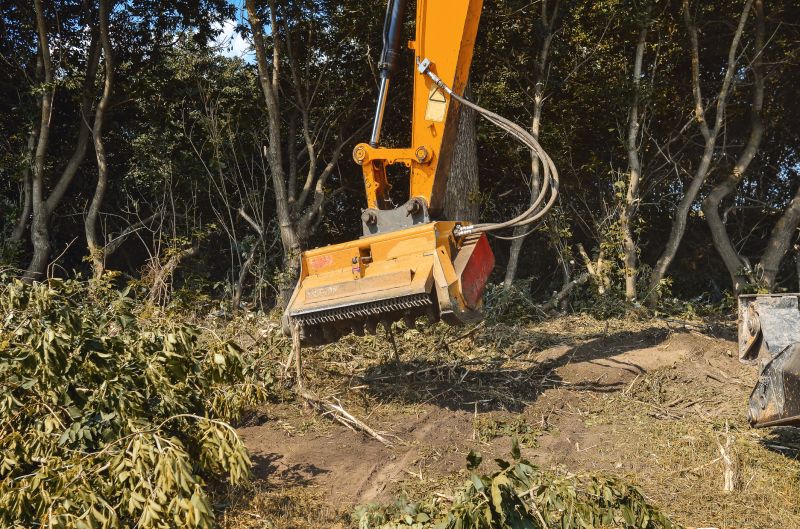
Undergrowth Removal Questions
What is undergrowth removal? Understory removal involves clearing shrubs, small trees, and dense vegetation to improve landscape appearance and health.
Why should property owners consider undergrowth removal? Removing overgrown vegetation helps prevent pests, reduces fire hazards, and enhances accessibility and aesthetics.
What types of projects typically require undergrowth removal? Common projects include clearing around homes, pathways, gardens, and managing overgrown lots or wooded areas.
Is undergrowth removal suitable for all property sizes? Yes, it can be adapted to fit small yards, large lots, or commercial properties to maintain safety and appearance.
Request Undergrowth Removal in Atlanta, GA
Use the quote form on this page to share the basics of your project and request more information for the type of work you need.